In the modern digital environment, the human eye is subjected to an unprecedented burden of High-Energy Visible (HEV) light, commonly known as blue light (wavelengths between 400 and 450 nm). Unlike ultraviolet (UV) light, which is largely absorbed by the cornea and the crystalline lens, HEV light penetrates deep into the eye, striking the retina directly.
The Phototoxic Threat of High-Energy Visible Light
In the modern digital environment, the human eye is subjected to an unprecedented burden of High-Energy Visible (HEV) light, commonly known as blue light (wavelengths between 400 and 450 nm). Unlike ultraviolet (UV) light, which is largely absorbed by the cornea and the crystalline lens, HEV light penetrates deep into the eye, striking the retina directly.
This continuous exposure is not merely fatiguing; it is biochemically destructive. Blue light induces photochemical damage to the Retinal Pigment Epithelium (RPE) and the photoreceptors. This damage is a primary driver in the pathogenesis of Age-Related Macular Degeneration (AMD), the leading cause of irreversible vision loss in older adults.
Mechanism of Action: Oxidative Stress and Lipofuscin
When HEV photons hit the retina, they excite intracellular chromophores within the RPE, leading to the generation of Reactive Oxygen Species (ROS), such as singlet oxygen and superoxide radicals.
- Lipid Peroxidation: The retina is incredibly rich in polyunsaturated fatty acids (PUFAs), particularly docosahexaenoic acid (DHA). The ROS generated by blue light initiate a chain reaction of lipid peroxidation, destroying the structural integrity of the photoreceptor outer segments.
- Lipofuscin Accumulation: As the RPE struggles to phagocytize these damaged outer segments, indigestible waste material known as lipofuscin begins to accumulate.
- A Vicious Cycle: Lipofuscin itself is a powerful photosensitizer. When lipofuscin is exposed to blue light, it generates even more ROS, creating an accelerating cycle of cellular apoptosis and macular degradation.
The Macular Pigment: Nature's Internal Sunglasses
The body’s primary defense against this phototoxicity is the macular pigment, a yellow spot at the center of the retina (the macula) composed entirely of dietary carotenoids: Lutein, Zeaxanthin, and Meso-zeaxanthin.
These carotenoids perform two critical, overlapping functions:
- Optical Filtration: By virtue of their yellow coloration, they absorb short-wavelength blue light before it can reach the vulnerable photoreceptors, acting effectively as internal, biological sunglasses.
- Antioxidant Quenching: They act as powerful free radical scavengers within the lipid membrane, neutralizing ROS and halting the lipid peroxidation cascade before it causes cellular damage.
The Problem of Depletion
The modern diet is notoriously deficient in the dark, leafy greens necessary to maintain high macular pigment optical density (MPOD). As we age, our endogenous antioxidant defenses weaken, and our MPOD naturally declines, leaving the macula vulnerable precisely when cumulative light exposure is at its peak.
Clinical Takeaway
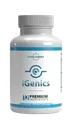
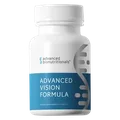
Protecting against AMD requires proactive defense at the cellular level. Formulations like iGenics and Advanced Vision are formulated to aggressively replenish the macular pigment by providing highly bioavailable doses of lutein, zeaxanthin, and synergistic botanical antioxidants. By increasing your MPOD, these formulations help absorb damaging HEV light, neutralize localized oxidative stress, and support the long-term structural integrity of the macula.
Scientific References & Validation
Full citations with PMID links, methodology notes & evidence ratings on puresupphub.com