When most people think of the immune system, they think of lymph nodes, white blood cells, and systemic circulation. However, in immunology, the gut is recognized as the primary defense hub of the human body. Roughly 70% to 80% of all immune cells reside within the gastrointestinal tract, specifically in a specialized tissue known as the Gut-Associated Lymphoid Tissue (GALT).
The Gut as the Epicenter of Human Immunity
When most people think of the immune system, they think of lymph nodes, white blood cells, and systemic circulation. However, in immunology, the gut is recognized as the primary defense hub of the human body. Roughly 70% to 80% of all immune cells reside within the gastrointestinal tract, specifically in a specialized tissue known as the Gut-Associated Lymphoid Tissue (GALT).
The GALT represents the largest concentration of lymphoid tissue in the body. It acts as a screening station, constant monitoring everything we ingest - food, liquids, environmental bacteria, and pathogens.
To maintain health, the gut must allow nutrients to be absorbed while simultaneously preventing harmful viruses and bacteria from entering systemic circulation. This delicate balance is managed by the gut-immune axis, a complex communication network that requires targeted vitamins and nutrients to maintain structural and defensive integrity.
Anatomy of the Gut Barrier: Epithelial Cells and Tight Junctions
The physical barrier separating the interior of your gut from your bloodstream is only a single layer of epithelial cells thick. This delicate barrier is held together by protein structures called tight junctions (including occludin and zonula occludens-1).
When tight junctions are healthy:
- They form a secure barrier that prevents large, undigested food particles, toxins, and pathogens from entering the bloodstream.
- Nutrient absorption occurs smoothly through transcellular transport.
If the tight junctions are damaged (a condition clinically referred to as increased intestinal permeability, or "leaky gut"), toxins can leak into the bloodstream. This activates the GALT, trigger a chronic, systemic inflammatory response that drains the immune system, leaving the body vulnerable to frequent colds and infections.
The Intestinal Tight Junction Barrier
- • Tight junctions seal space between epithelial cells
- • Prevents pathogens, toxins, and undigested food from leaking
Outcome:
Secure Barrier & Systemic Defense
- • Junction proteins degrade, opening gaps between cells
- • Pathogens and cellular debris pass directly into bloodstream
Outcome:
Chronic GALT Flux & Systemic Inflammation
Targeted Vitamins for the Gut-Immune Axis
To support the structural integrity of the gut barrier and optimize the GALT's pathogen defense, several targeted immune support vitamins are required:
Vitamin A (Retinol)
Vitamin A is the master regulator of mucosal health. It is essential for the differentiation and maintenance of epithelial cells throughout the gastrointestinal tract. Furthermore, Vitamin A stimulates the production of secretory Immunoglobulin A (sIgA) - the primary antibody found in the gut lining that binds to pathogens, neutralizing them before they can bind to epithelial cells.
Vitamin D (Cholecalciferol)
Vitamin D is a powerful modulator of the tight junction barrier. It directly upregulates the synthesis of tight junction proteins, helping to seal the intestinal barrier. Additionally, Vitamin D stimulates the expression of natural antimicrobial peptides (such as cathelicidin) in the gut, which directly neutralize harmful bacteria.
Zinc
Zinc is a vital mineral cofactor required for cell replication and the repair of mucosal tissues. Zinc supplementation has been clinically shown to restore tight junction integrity in cases of increased intestinal permeability, helping to resolve leaky gut and reduce chronic systemic inflammation.
Probiotics and the Microbiome: The Biological Shield
In addition to vitamins, the gut-immune axis relies on the biological activity of beneficial bacteria. A healthy, diverse microbiome forms a physical and chemical shield against pathogens:
- Competitive Exclusion: Beneficial strains colonize the mucosal lining, leaving no space for pathogenic bacteria to bind.
- Short-Chain Fatty Acids (SCFAs): Probiotic strains ferment dietary fibers into SCFAs (like butyrate), which serve as the primary fuel source for colon cells, strengthening the intestinal barrier.
Sourcing clean, high-potency synbiotics ensures that these live strains survive the acidic environment of the stomach to populate the lower intestinal tract.
Verified Sourcing of Gut and Immune Support Formulas
To support gut integrity and strengthen the immune system, factory-direct sourcing ensures that you receive active, high-potency formulations:
Reconstructive Enzymes and Gut Support
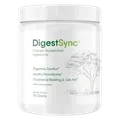
To optimize digestion and prevent the accumulation of undigested proteins that can irritate the gut, DigestSync provides a premium matrix of digestive enzymes and prebiotic fibers. Sourcing DigestSync directly from the GMP-certified lab ensures the active enzymes remain fresh, supporting the entire gastrointestinal axis.
Synbiotic Colonization and Barrier Repair
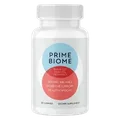
To repopulate the gut with beneficial bacteria and reinforce the mucosal barrier, PrimeBiome offers a high-potency synbiotic featuring 10 billion CFUs and prebiotic fibers. Sourcing PrimeBiome direct guarantees a secure chain of custody, ensuring that the live strains are delivered fresh and active.
Antioxidant Superfoods and Pathogen Defense
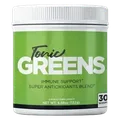
To provide a broad spectrum of immune support vitamins and natural antioxidants, TonicGreens offers a 6-in-1 greens and berry matrix. Sourcing TonicGreens directly from the official manufacturer ensures the cold-pressed phytonutrients and vitamins are kept stable and free from synthetic fillers.
Short-Chain Fatty Acids (SCFAs): The Gut-Immune Signaling Molecules
A key mediator of the gut-immune axis is the group of biochemical metabolites known as short-chain fatty acids (SCFAs), primarily acetate, propionate, and butyrate. These compounds are produced when beneficial gut microbiota ferment dietary prebiotics and prebiotic fibers in the large intestine. SCFAs serve as the primary energy source for colonocytes (the cells lining the colon) and function as signaling molecules that directly interact with the immune system.
Through binding to specific G-protein coupled receptors (such as GPR43 and GPR109A) on immune cells, SCFAs promote the differentiation of naive T cells into anti-inflammatory regulatory T cells (Tregs). Tregs play a critical role in preventing autoimmune reactions and dampening excessive inflammation in the intestinal tract. A deficiency in SCFA production, often caused by a diet lacking in prebiotics, leads to a compromised mucosal lining, opening the door to systemic immune activation.
Epithelial Tight Junction Integrity: The First Line of Defense
The physical barrier of the gut is composed of a single layer of epithelial cells held together by complex protein structures called tight junctions (including claudins, occludin, and zonula occludens). These junctions act as selective gates, allowing water and essential nutrients to pass into the bloodstream while blocking pathogens, toxins, and undigested food particles.
Targeted vitamins and minerals are critical regulators of tight junction expression. Vitamin A stimulates cell growth and differentiation of mucosal tissues, while Vitamin D enhances the transcription of tight junction proteins, directly strengthening the physical barrier. When these nutrients are deficient, tight junctions degrade, leading to increased intestinal permeability (commonly referred to as leaky gut). This permeability allows bacterial endotoxins (such as lipopolysaccharides) to leak into circulation, triggering systemic low-grade inflammation and weakening overall immune resilience.
Summary Comparison: Basic Vitamin C vs. Gut-Immune Sourcing
| Performance Metric | Basic Isolated Vitamin C | Targeted Gut-Immune Sourcing |
|---|---|---|
| Primary Target | Systemic antioxidant activity | GALT, sIgA, and tight junction barrier |
| Mucosal Health Support | Minimal direct impact | High (driven by Vitamin A, D, and Zinc) |
| Pathogen Neutralization | Indirect immune cell support | Direct (via sIgA antibody stimulation in gut) |
| Microbiome Integrity | None | High (due to synbiotics & SCFA stimulation) |
| Manufacturer Guarantee | Void or limited to retail store policy | 100% Eligible (60-day money-back guarantee) |
Scientific References & Validation
Full citations with PMID links, methodology notes & evidence ratings on puresupphub.com